





Does pure color brick utilize high-definition inkjet technology to create delicate textures?
Release Time : 2025-10-27
In contemporary interior design, ceramic tiles have transcended simple paving to become a crucial medium for shaping spatial ambiance and expressing aesthetic taste. Pure color brick, with its simple color palette, uniform texture, and highly versatile design, is favored by styles such as minimalism, wabi-sabi, and modern luxury. However, many mistakenly believe that "pure color" implies monotony or dullness, but this is not the case. Today's high-end pure color brick has transcended the limitations of traditional single-color designs. Whether high-definition inkjet technology can create delicate textures is crucial to its ability to capture beauty in simplicity and charm in simplicity.
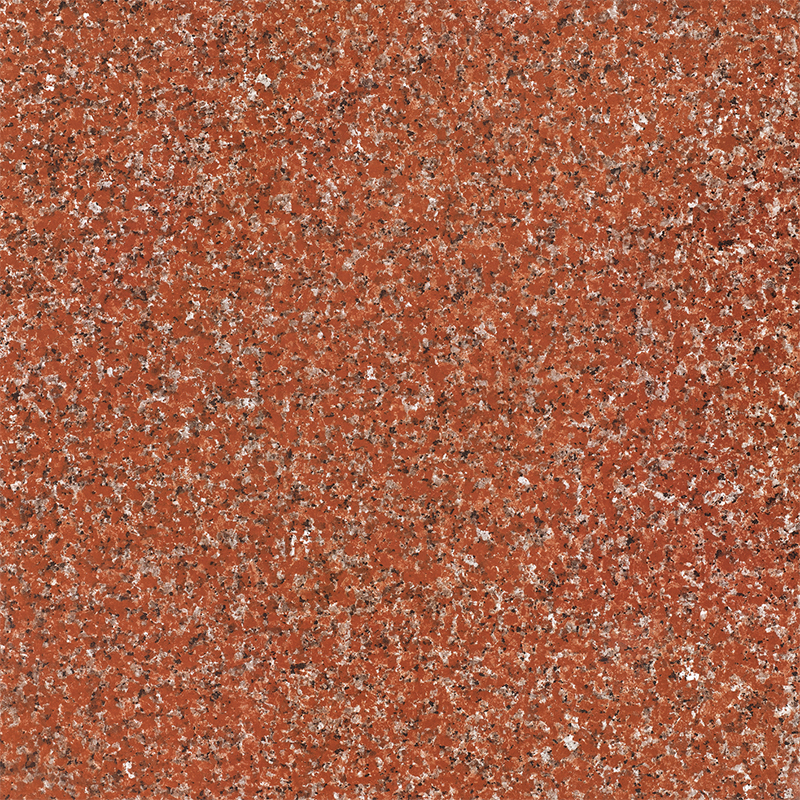
Modern pure color bricks don't simply achieve uniform color through application. Instead, they rely on advanced digital inkjet technology to accurately reproduce the subtle textures and light-and-shadow effects of natural materials on the surface. This high-definition inkjet process imbues the tile with a "living skin," allowing for rich layering of textures even when the overall color remains consistent. For example, a warm gray pure color brick might reveal subtle traces of brushed cement or specks of mineral crystals; an off-white brick might incorporate subtle lines of linen or a subtle stone texture. These details, while not overwhelming, quietly emerge in the light, imbuing the space with a tranquil and rich visual experience.
The core of high-definition inkjet technology lies in the precise output of high-resolution images. The device prints the designer's pre-defined texture onto the tile surface at extremely high density, controlling the color depth and distribution of each point at the pixel level to ensure a natural transition and no repetitiveness. Even when applied over large areas, there's no noticeable periodic pattern repetition, avoiding the "wallpaper effect" common with traditional printed tiles. This technology also simulates the tactile characteristics of various natural materials, such as the slightly uneven grain of sandstone, the mirror-smooth polish of stone, or the slightly rough texture of terracotta, creating a highly unified visual and tactile experience.
More importantly, the inkjet layer is fully integrated with the glaze, forming a solid protective layer after high-temperature firing. This not only enhances stain resistance and wear resistance, but also ensures a long-lasting texture. Even after prolonged use or cleaning, the surface retains its original color and details, without wear and tear exposing the underlying brick. This durability ensures that pure color brick meets both aesthetic needs and the functional requirements of high-use areas such as living rooms, hallways, and commercial spaces.
In spatial applications, pure color brick with its delicate texture demonstrates great versatility and expressiveness. It can serve as a backdrop, highlighting the individuality of furniture and soft furnishings. Various laying patterns (such as herringbone, herringbone, and staggered) can also enhance the rhythm of lines and enhance the sense of movement in a space. Under the influence of light, the subtle bumps and reflections on the brick surface create varying effects of light and dark over time, imbuing a static space with a dynamic vitality.
Furthermore, this technology allows for customization. Designers can develop customized textures and tones based on project requirements, creating a unique spatial identity. Whether pursuing a cool, industrial aesthetic or a warm, Japanese-inspired Zen atmosphere, high-definition inkjet technology can achieve it with precision.
In summary, modern pure color brick not only possesses, but also widely utilizes, high-definition inkjet technology to create delicate textures. It breaks the stereotype that "pure color equals monotony," infusing simplicity with richness through technological means, transforming every inch of floor or wall into an understated yet sophisticated artistic expression. This quality of "simple yet elegant, simple yet extraordinary" is the fundamental reason why high-end pure color brick is so highly regarded in modern space design.
Modern pure color bricks don't simply achieve uniform color through application. Instead, they rely on advanced digital inkjet technology to accurately reproduce the subtle textures and light-and-shadow effects of natural materials on the surface. This high-definition inkjet process imbues the tile with a "living skin," allowing for rich layering of textures even when the overall color remains consistent. For example, a warm gray pure color brick might reveal subtle traces of brushed cement or specks of mineral crystals; an off-white brick might incorporate subtle lines of linen or a subtle stone texture. These details, while not overwhelming, quietly emerge in the light, imbuing the space with a tranquil and rich visual experience.
The core of high-definition inkjet technology lies in the precise output of high-resolution images. The device prints the designer's pre-defined texture onto the tile surface at extremely high density, controlling the color depth and distribution of each point at the pixel level to ensure a natural transition and no repetitiveness. Even when applied over large areas, there's no noticeable periodic pattern repetition, avoiding the "wallpaper effect" common with traditional printed tiles. This technology also simulates the tactile characteristics of various natural materials, such as the slightly uneven grain of sandstone, the mirror-smooth polish of stone, or the slightly rough texture of terracotta, creating a highly unified visual and tactile experience.
More importantly, the inkjet layer is fully integrated with the glaze, forming a solid protective layer after high-temperature firing. This not only enhances stain resistance and wear resistance, but also ensures a long-lasting texture. Even after prolonged use or cleaning, the surface retains its original color and details, without wear and tear exposing the underlying brick. This durability ensures that pure color brick meets both aesthetic needs and the functional requirements of high-use areas such as living rooms, hallways, and commercial spaces.
In spatial applications, pure color brick with its delicate texture demonstrates great versatility and expressiveness. It can serve as a backdrop, highlighting the individuality of furniture and soft furnishings. Various laying patterns (such as herringbone, herringbone, and staggered) can also enhance the rhythm of lines and enhance the sense of movement in a space. Under the influence of light, the subtle bumps and reflections on the brick surface create varying effects of light and dark over time, imbuing a static space with a dynamic vitality.
Furthermore, this technology allows for customization. Designers can develop customized textures and tones based on project requirements, creating a unique spatial identity. Whether pursuing a cool, industrial aesthetic or a warm, Japanese-inspired Zen atmosphere, high-definition inkjet technology can achieve it with precision.
In summary, modern pure color brick not only possesses, but also widely utilizes, high-definition inkjet technology to create delicate textures. It breaks the stereotype that "pure color equals monotony," infusing simplicity with richness through technological means, transforming every inch of floor or wall into an understated yet sophisticated artistic expression. This quality of "simple yet elegant, simple yet extraordinary" is the fundamental reason why high-end pure color brick is so highly regarded in modern space design.